





















 (+44) 0208 742 1111
  Send a booking enquiry
The APEX Cut
APEX is the result of more than a decade spent refining our half-speed cutting process.
Every element of the workflow has been assessed and developed – from the cutting system and signal path through to reference cutting and pressing support.
Every APEX cut is individually crafted by Matt Colton or Stuart Hawkes, using Metropolis’ meticulously restored and extensively modified Neumann VMS80 cutting lathes, paired with state-of-the-art conversion and precision-engineered signal paths.
The result is a cutting chain designed to reproduce the source material with exceptional accuracy and give the engineer precise control over the groove.
Where the source material allows, this can deliver:
- Outstanding groove definition and transient clarity
- Extended low-frequency response and greater bass authority
- Smooth, balanced high-frequency response
- Increased dynamic expression
- Improved stereo imaging and soundstage
- Strong performance across longer programme lengths
But the equipment is only part of the equation.


Beyond the Cut
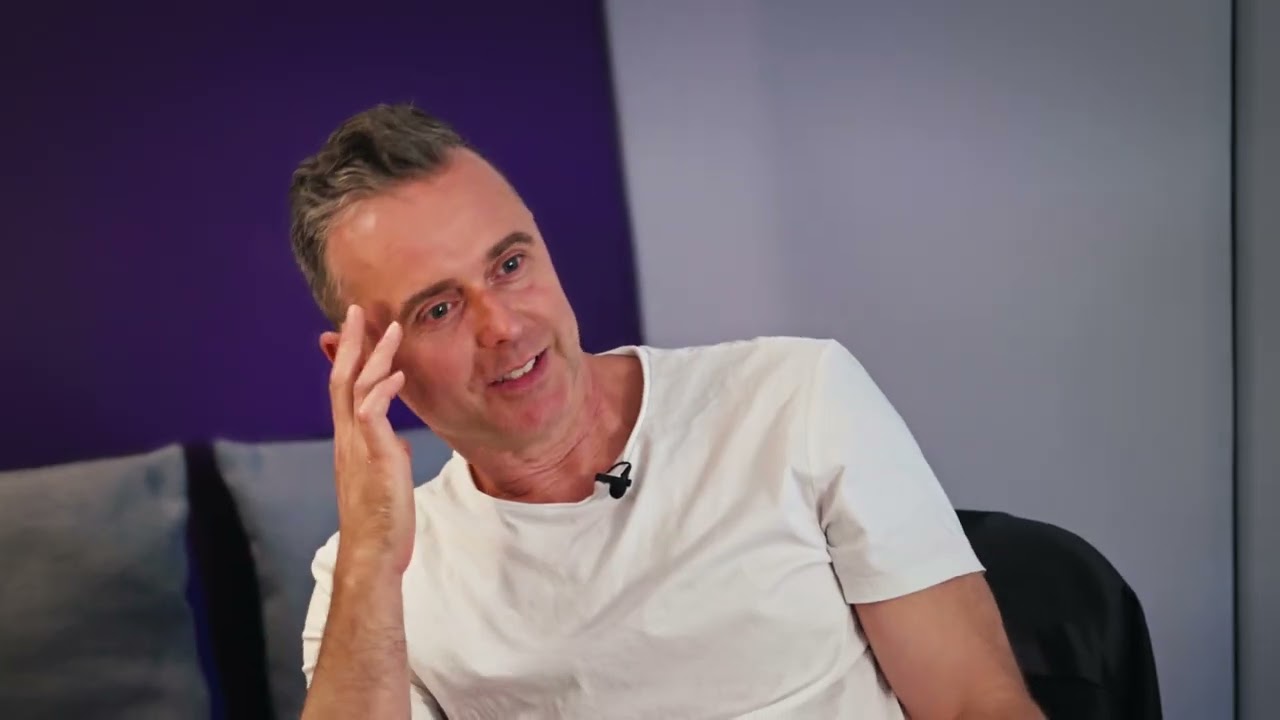
For selected projects, the APEX experience can extend beyond the lacquer itself.
We can provide bespoke assets that give artists, labels and creative teams a way to communicate the craft behind the release, including:
- Technical information about the cutting process
- Video captured by the cutting engineer during the cutting stage
- Information about the Neumann VMS80 used for the cut
- Bespoke APEX assets, including branding and OBI strips
These can be used across packaging, retail and digital campaigns to give listeners a deeper connection to how the record was made.

Half-Speed Cutting: In Conversation with Matt Colton and Stuart Hawkes
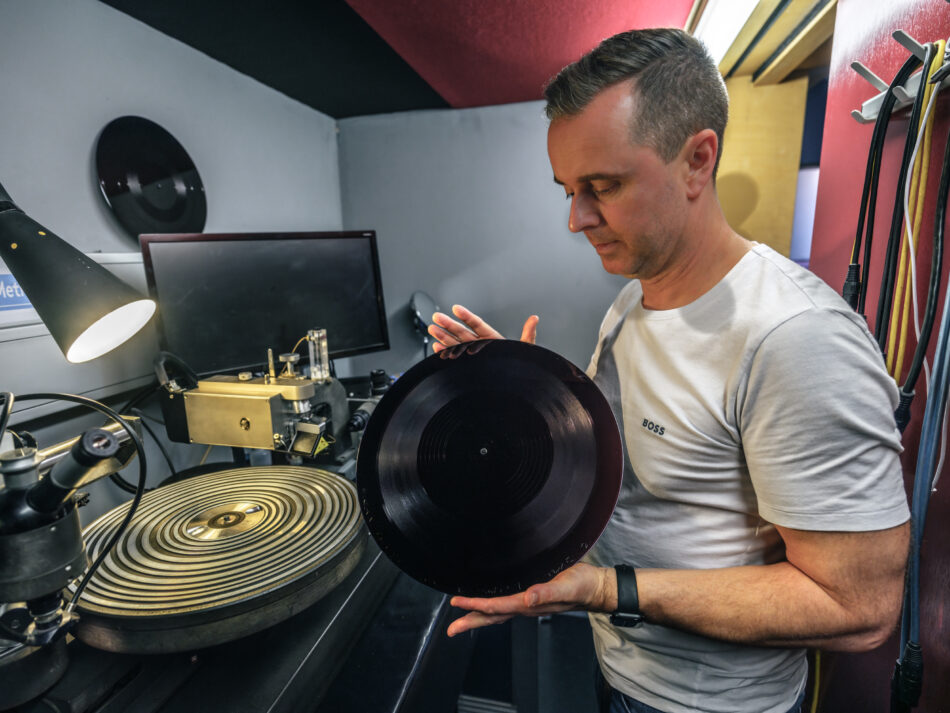
What exactly is half-speed cutting?
Matt Colton: In basic terms, it is exactly what it sounds like. You play the audio at half speed and run the cutting lathe at half speed to produce the cut.
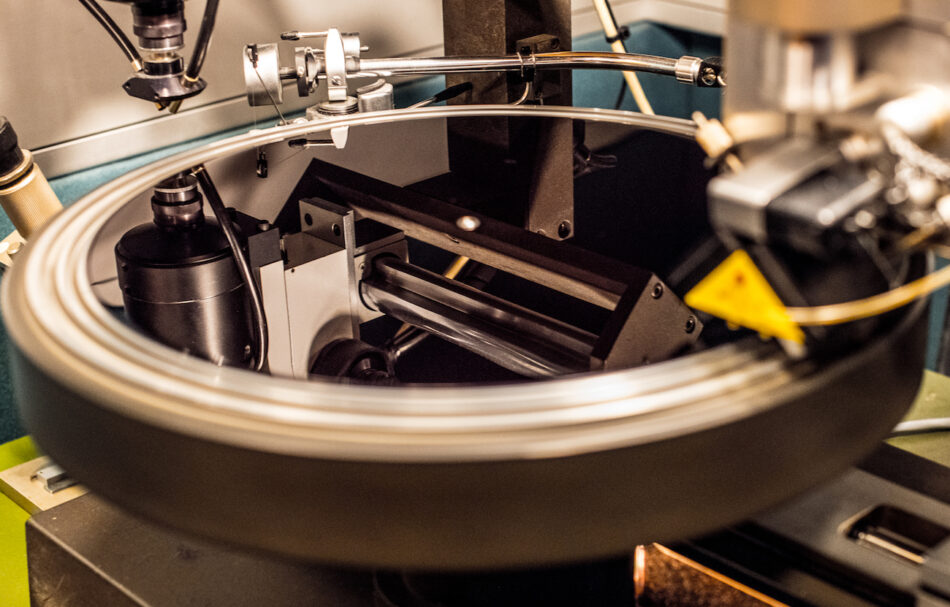
Stuart Hawkes: The important thing is what that does to the cutting system. When you cut a record, the audio signal drives the cutting head, which moves the cutting stylus as it carves the waveform into the lacquer. The stylus is a physical system, so its movement is limited by inertia and the speed at which it can respond.
When you work at half speed, the stylus only needs to move half as quickly. In theory, that means it can reproduce the waveform more accurately because it is less limited by its own physical movement.
Matt: You also get increased headroom in the cutting amplifier system. With more headroom, transients are less likely to run into the upper limits of the amplifier, which can result in a cleaner, more open sound.


So, what does that mean for the listener?
Matt: I wouldn’t say you put on a half-speed cut and immediately think, “That’s definitely half speed.” It doesn’t necessarily have its own obvious characteristics.
I’ve compared normal-speed and half-speed cuts quite a few times, and I’m often surprised by the result. I might expect the half-speed version to sound cleaner or more accurate, but quite often there is an additional richness to it.
Stuart: I agree. You can get extra weight and richness, particularly through the low mids. The soundstage can feel broader, and there can be a greater sense of placement.
But it isn’t universal.
Half-Speed Isn’t Always the Answer
Every recording is different, and the way you optimise each recording is different.
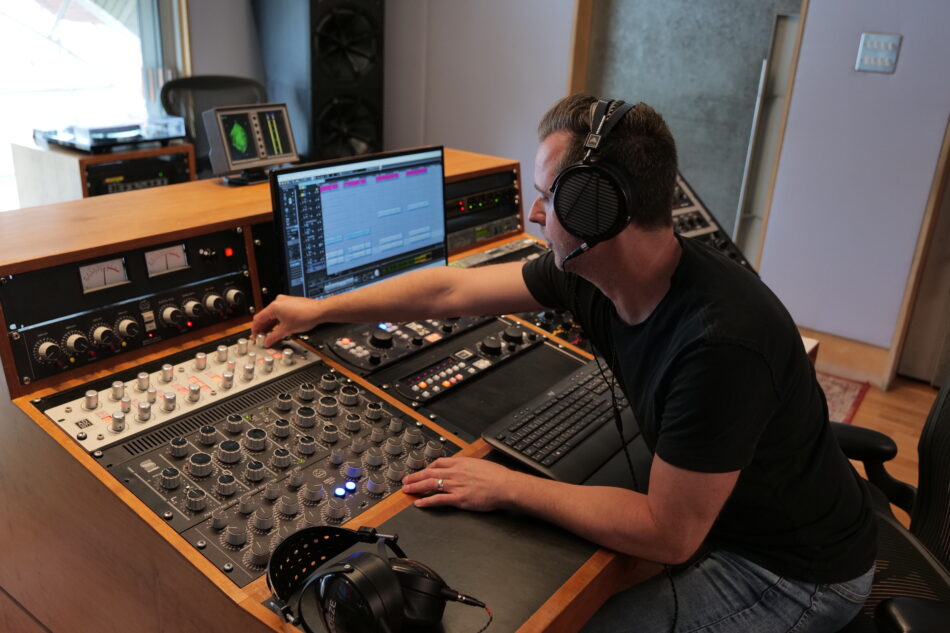
Half-speed cutting can offer technical advantages, but more technical precision doesn’t automatically mean a better record. Sometimes the character of a normal-speed cut is exactly what the music needs. Sometimes a half-speed cut can open things up and reveal something more.
The important thing is choosing the approach that serves the music.
Stuart: That’s why, if a client isn’t sure, I prefer to test it. We’ll cut a side at normal speed and one at half speed, do both as well as we can, and let the client listen.
Matt: Exactly. We’re not interested in selling a process just because it’s a premium service. We want to know what works for the record.

The Lathe Is Part of the Craft
How important are the lathes themselves?
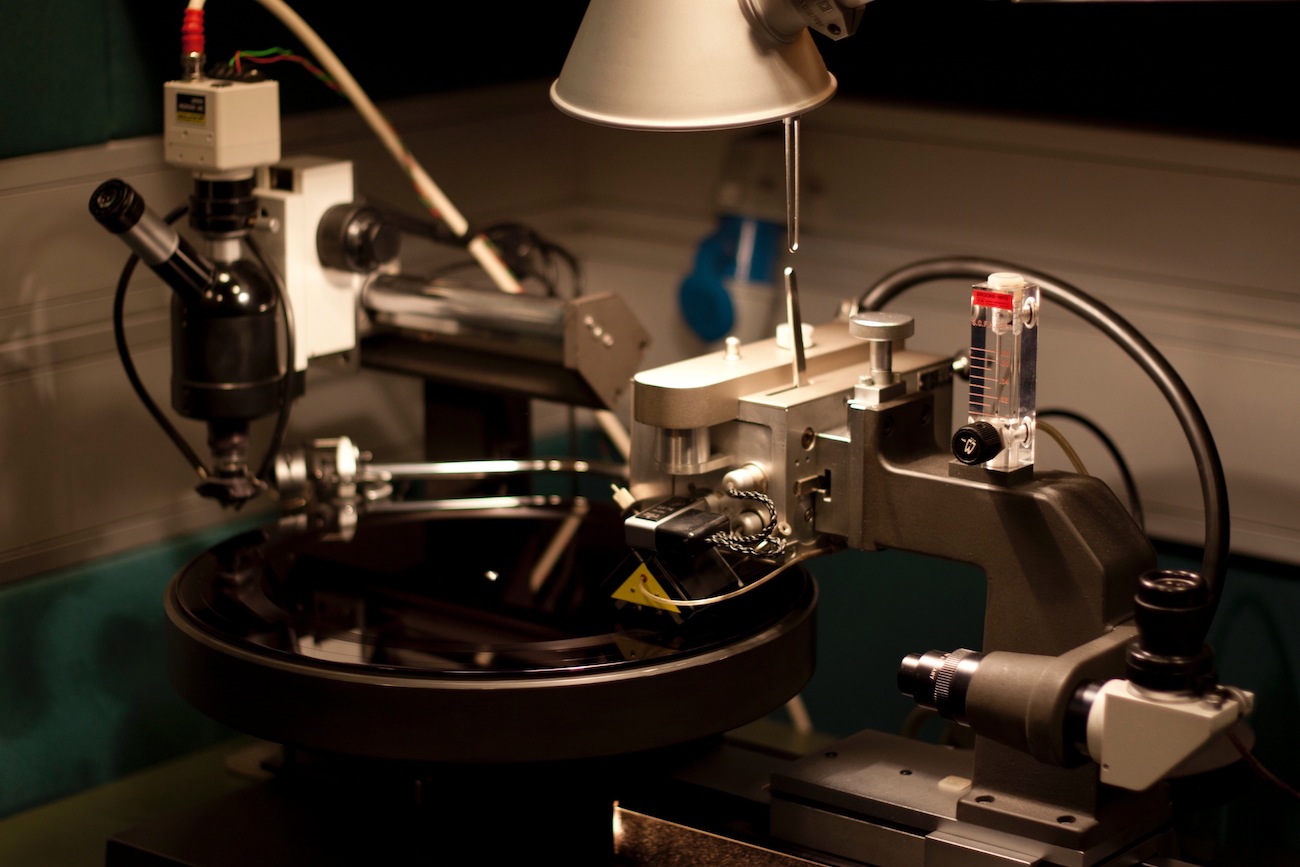
Matt: They’re hugely important. We both work on Neumann VMS-80s. They were introduced in 1980 and only around 70 or 80 were made.
Stuart: They’re regarded by many as the best cutting lathes ever made.
Matt: We’ve got two here at Metropolis, and both have been heavily modified and refined over the years.
Stuart: The pitch control computer on my lathe is particularly good. We’ve spent years working on it and refining it to make the groove packing as efficient as possible.
Matt: You really get to know your lathe. You learn how it behaves, where its sweet spots are and what it can do.
Stuart: Although it’s always a moving target. These machines are decades old and they need constant specialist maintenance. Parts aren’t necessarily available anymore, so keeping them running involves a lot of knowledge and ingenuity.
Matt: They’re a bit like classic cars. They’re incredibly well built, but you have to keep them on the road.
Experience You Can Hear
Technology matters. So does the person operating it.
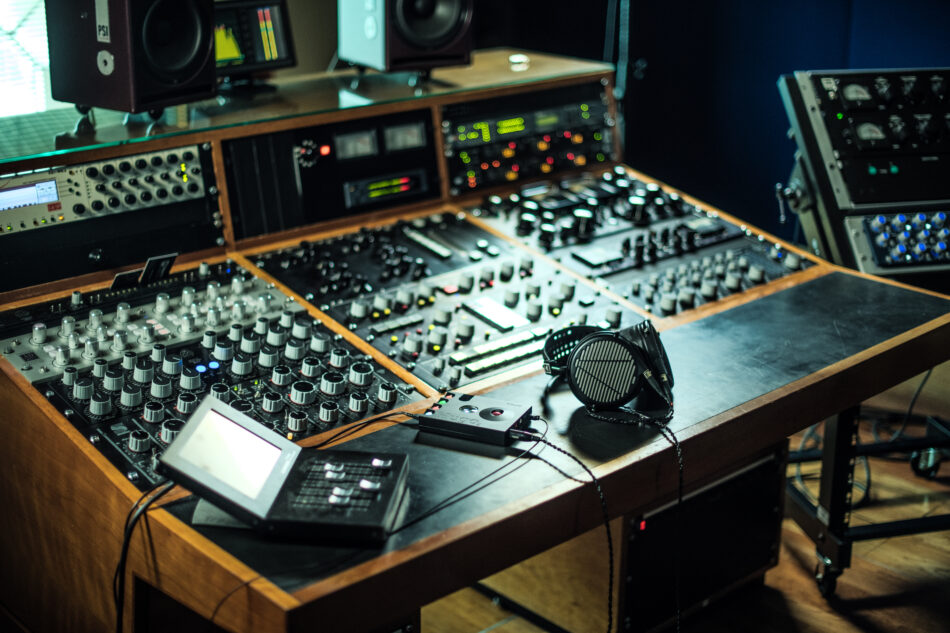
Years of cutting experience give our engineers an understanding of how a particular lathe behaves, where its limits are and how to respond when a recording presents a challenge.
How much does the experience of the engineer matter?
Matt: A lot. You get to know your machine through years of using it. Even though the technology is incredibly important, there is a huge amount of judgement involved in knowing how to get the best out of it.
Stuart: And that knowledge keeps evolving. You never really stop learning. There are always new challenges and things that surprise you.
Matt: I still hear test cuts that I expect to be difficult that turn out brilliantly, and vice versa. That’s part of the craft.
Precision at Every Stage
APEX isn’t just about the moment the stylus meets the lacquer.
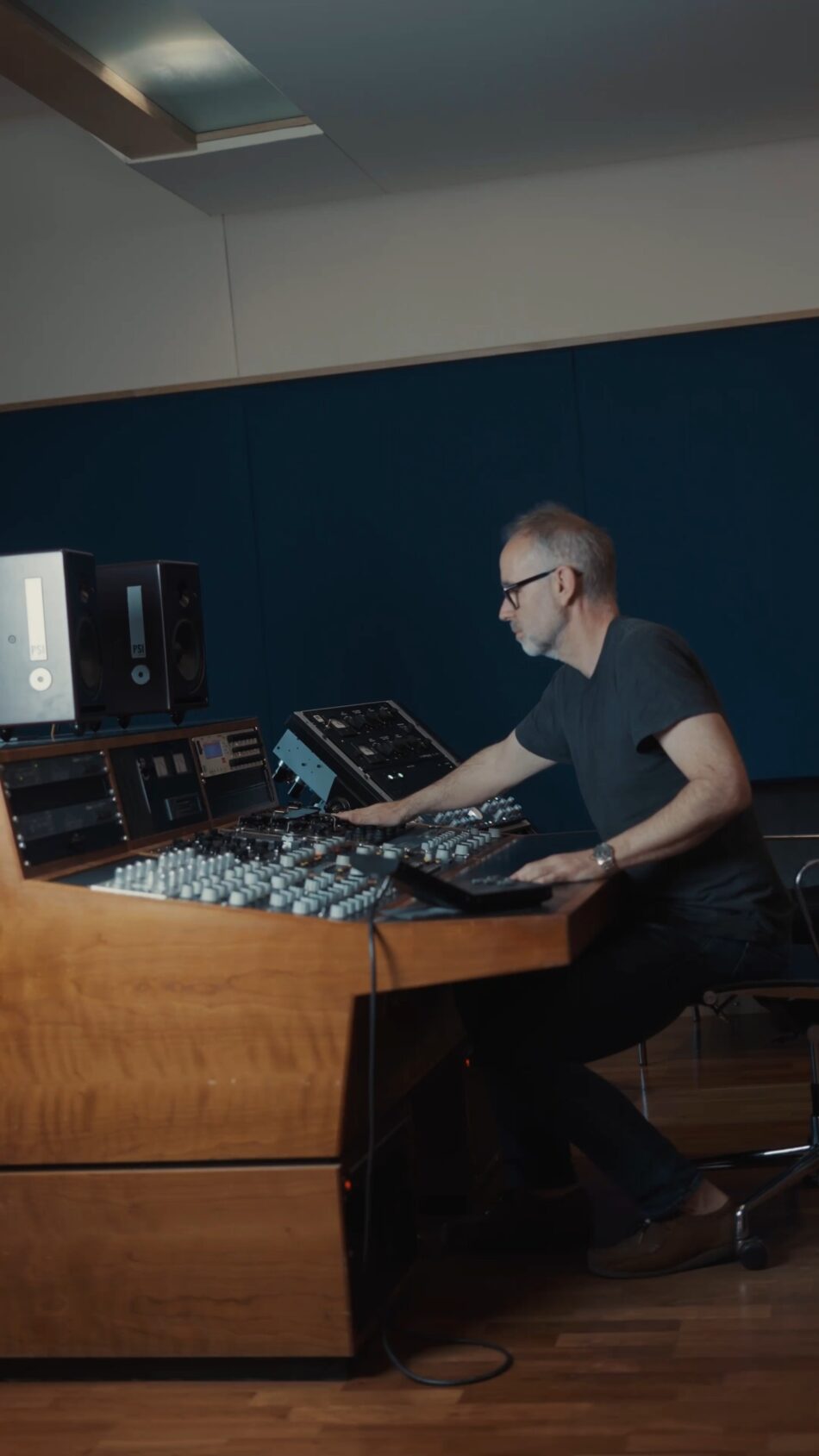
Before production lacquers are cut, we create acetate reference discs to verify the cut and identify potential issues. This additional stage of quality control gives both the client and pressing plant greater confidence in the cut and can help identify where any issues may have originated later in production.
Every APEX project is supported by a dedicated production timeline, with updates at key stages throughout the process.
Production lacquers are supplied in bespoke APEX Half-Speed packaging and delivered directly to your chosen pressing plant.
We also work with a select group of APEX Approved pressing partners, chosen for their ability to realise the full potential of our cuts. If you’re working with another pressing plant, our team can provide technical support and liaise throughout production.
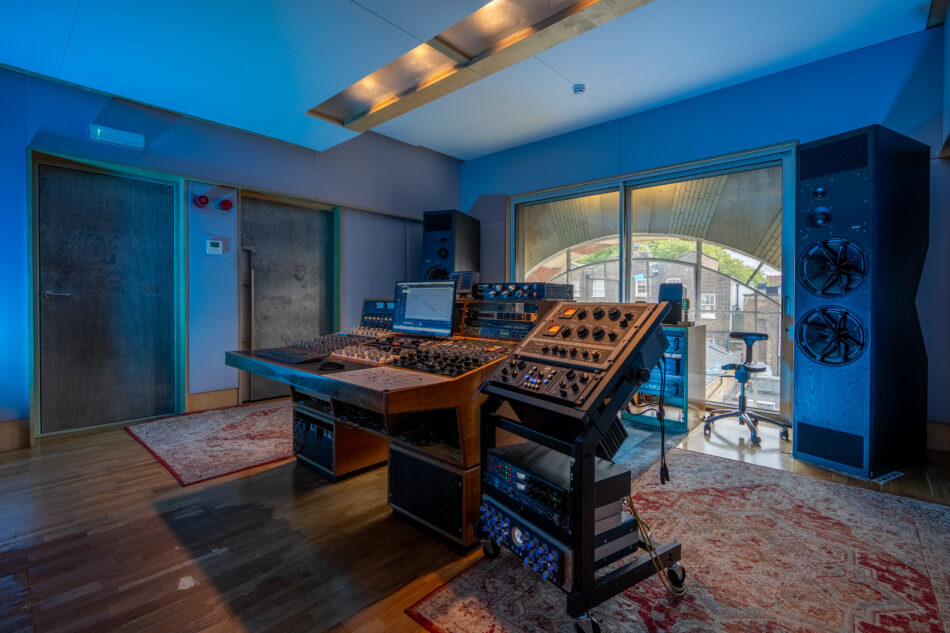
Decades of Refinement. One Distinctive Cut.
Half-speed cutting has been part of our technical journey for more than a decade.
APEX brings that experience together with highly refined cutting systems, specialist engineering expertise and a production process designed to give every project the care and attention it deserves.
Because ultimately, the process is only as good as the record it produces.
Matt: The fundamental thing hasn’t changed. You’re always trying to translate the source material into a physical groove as accurately and musically as possible.
Stuart: Which is why it always comes back to the same thing: listen to it and see what works.
Matt: Exactly.
Metropolis APEX
Half-Speed Cutting by Metropolis.